
Skip to content
  • About
    • About Us
    • Board of Directors
    • Staff
    • ILA Fellows
    • Global Leadership Project
    • Advancement of Leadership Programs
    • Join ILA Mailing List
  • Membership
    • Membership Options
      • Organizations
      • Individuals
      • Students
    • Member Benefits
    • Meet Our Members
    • Member Login (ILA Intersections)
    • Member Directory (ILA Intersections)
    • Member Communities
  • Events & Webinars
    • Webinars
    • On-Demand – Global Leadership and Followership…
    • 2026 AI & Leadership Virtual Summit
    • 2026 Global Conference – Toronto
    • Upcoming Events
    • Past Webinars
    • Past Events
  • Resources
    • Blog
    • Book Buzz!
    • Insight Papers
    • Leadership Education Program Directory
    • Newsletter
    • Podcasts
    • Videos
  • Books & Journals
    • ILA Book Series
    • Journal of Leadership Studies
    • Free Online Journals
  • Awards
    • ILA Awards
      • Lifetime Achievement Award
      • Distinguished Leadership Award
    • Student Awards
      • International Student Case Competition
      • Clark Student Research Award
      • Jablin Doctoral Dissertation Award
    • Community Awards
      • Leadership Ed. Most Publishable Paper Award
      • Women and Leadership Scholarship & Practice Awards
  • Support
    • Advertising
    • Branding & Sponsorship
    • Donate Today
  • Career Center
  • Consulting
  • About
    • About Us
    • Board of Directors
    • Staff
    • ILA Fellows
    • Global Leadership Project
    • Advancement of Leadership Programs
    • Join ILA Mailing List
  • Membership
    • Membership Options
      • Organizations
      • Individuals
      • Students
    • Member Benefits
    • Meet Our Members
    • Member Login (ILA Intersections)
    • Member Directory (ILA Intersections)
    • Member Communities
  • Events & Webinars
    • Webinars
    • On-Demand – Global Leadership and Followership…
    • 2026 AI & Leadership Virtual Summit
    • 2026 Global Conference – Toronto
    • Upcoming Events
    • Past Webinars
    • Past Events
  • Resources
    • Blog
    • Book Buzz!
    • Insight Papers
    • Leadership Education Program Directory
    • Newsletter
    • Podcasts
    • Videos
  • Books & Journals
    • ILA Book Series
    • Journal of Leadership Studies
    • Free Online Journals
  • Awards
    • ILA Awards
      • Lifetime Achievement Award
      • Distinguished Leadership Award
    • Student Awards
      • International Student Case Competition
      • Clark Student Research Award
      • Jablin Doctoral Dissertation Award
    • Community Awards
      • Leadership Ed. Most Publishable Paper Award
      • Women and Leadership Scholarship & Practice Awards
  • Support
    • Advertising
    • Branding & Sponsorship
    • Donate Today
  • Career Center
  • Consulting

Archives: Newsletter

by Marc Hurwitz

3 June 2021

Share this article:

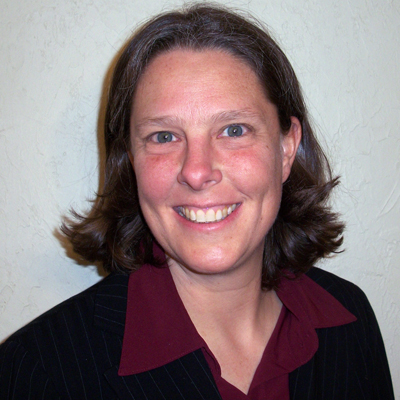
It was the year 2000. The new millennium had just arrived without the predicted collapse of civilization due two-digit dates (not sure who still remembers that!). It’s hard to believe, over 20 years later, that was actually a thing or how concerned people were about it. I had just finished my MBA and was changing careers, leaving many years in Training and Organizational Development to move into Marketing and Product Management roles. As part of the MBA, I’d done the “typical” leadership and OD courses, but something felt missing. It left me with a lot of questions, including: Is it true that only leaders exert influence? In a matrix organization, what happens if all your bosses are transformational at the same time? Is a servant leader serving or leading? Is a position in a hierarchy the same thing as being a leader? To what extent does only focusing on leadership actually create more narcissistic leaders and less effective team behaviors? If we want leaders to be honest and smart, don’t we have the same expectation of them when they aren’t leading? Three years and a lot of middle management experience later, I realized what that missing piece was… followership. It was an idea that quite literally changed my life.

I decided to quit my corporate career as a result of this “aha” and start a consulting firm based on leadership and followership as complementary roles in the social activity we call groups and teams. I’d love to say the path from then to now has been linear; it hasn’t. Rather than being cutting edge, I quickly discovered these ideas were bleeding edge and, frankly, needed a lot of refining to be academically sound and practically useful – a combination my consulting (and life) partner calls pracademic. From doing our first consulting gig in 2005, to submitting a book manuscript in 2010, to ripping it all up and starting over in 2013, we have seen plenty of changes. For example, when we started training, our early clients would not let us use the F-word for fear employees would think they were being insulted by being called a follower. Now, NASA recently announced in a posting for new trainee astronauts that it was looking to recruit people with strong followership skills. What a difference a decade or two makes!

I attended my first ILA conference in 2013 in Montreal. I remember the feeling of not knowing anyone and being somewhat intimidated by the leadership and followership experts whose books and articles I had been avidly devouring. Fortunately, on the first day of the conference, I presented in a session chaired by Rob Koonce – he was the Chair of the Followership Learning Community (now the Followership member community) at the time – with fellow presenter Stephanie Gresh (née Povlosky). They both made me feel at home and introduced me to many of the other people in the followership learning community, many of whom I now consider friends, and many of whom I’ve collaborated with since. While my aha in 2003 ultimately spurred me to go back to university and dedicate my life to leadership, followership, and partnership training, that conference in 2013 gave me a community to share my passions with.

Since then, I have chaired ILA’s Followership member community, run a followership conference, attended every ILA Annual Meeting except for one, and presented multiple times. I have taught leadership (and followership) courses at the graduate and undergraduate level, given keynotes and workshops at conferences around the world, and consulted with the largest of organizations – the U.S. Government – as well as start-ups. My research focus is around rethinking leadership as a partnership activity. Just as you wouldn’t teach only one role in ballroom dancing, why would you teach only one role in the leadership dance? Yes, it would improve the quality of the dancing, but not nearly as much as if you trained both people and, importantly, understood how the roles contributed to the partnership separately as well as together.

Using this analogy, I co-created a model of leadership-followership that respects and articulates both roles. It also democratizes leadership, recognizing that everyone takes on a leadership role some of the time and a followership role at other times. Neither is better or more important and it is this perspective that moves us away from heroic leadership to a place of balanced, collaborative relationships. It is the foundation of my research and the many classroom activities and organizational interventions that my partner and I have developed since.

And now, I have the distinct honour (yes, I’m Canadian as you will discover when you hear me say “about”; and yes, I live near “Schitt’s Creek”) to be one of the facilitators for the virtual Leadership Education Academy this summer. I plan on bringing two things: first, a pracademic approach to organizational consulting whether that involves planning half day offsite training sessions or creating a strategic plan for organizational change. Second, I have a unique take on leadership that is particularly relevant for 21 st century organizational practices. Like the other educators/facilitators at LEA, I have a lot of college experience, too, and look forward to sharing some of the fun things you can do to energize a group of students while engaging their minds and hearts. Finally, while learning from the other facilitators and attendees, I am also hoping to leave with new friends and colleagues.

Do consider joining me for a marvellous adventure in leadership and followership at this year’s Leadership Education Academy. There are less than 15 spots left in this year’s cohort. Register today or you might find yourself on the waitlist!
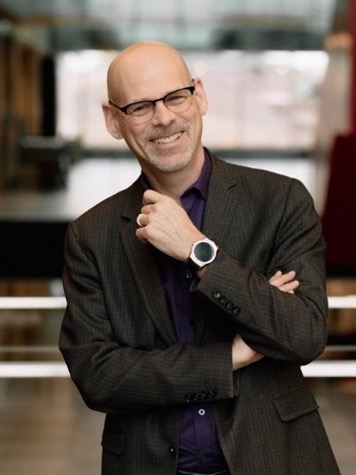
Marc Hurwitz

Marc Hurwitz, PhD MBA MS MS CMC, is Associate Director, Undergraduate and Non-degree Programs, Conrad School of Entrepreneurship and Business, University of Waterloo, Canada. He won the Sandford Fleming Teaching Award in 2019 for his work teaching leadership, consulting, and entrepreneurship. An author of three books and numerous articles on followership and leadership, Marc spent 10 years working for large corporations and has an additional 15 years co-founding and running a leadership-followership consulting firm.

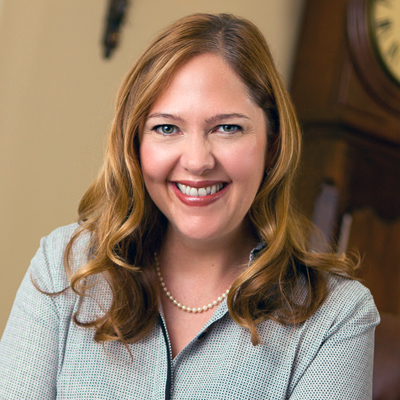
By Linnette Werner and Corey Seemiller

28 April 2021

Share this article:

In 2013, ILA’s Leadership Education Academy (LEA) was brought to life with the vision of gathering people together to develop skills and capacities for engaging in leadership education. Only a few years later, the first LEA took place in Orlando, Florida. ILA has now hosted three academies, all offered as in-person, retreat-like events designed to foster collaboration and connection. In 2020, we were scheduled to host our fourth LEA, but with COVID, moving the event online in a meaningful way was not possible with such a short lead-in time. It took two years to design and develop LEA’s in person event, and we did not want to rush the process of reimagining the event online. We all believed instead that spending the next year developing an innovative and virtual LEA for 2021 was more feasible and more intentional. Thus, we have been working tirelessly to put together an event that truly embodies both the cutting-edge content needed for today’s leadership landscape and the innovative pedagogies that model best practices in leadership education.

We are all excited to be part of the LEA team during this time of innovation and adaptation. Pulling together this incredible group of leadership educators to imagine a completely online version of the LEA has been such a fabulous and energizing experience.

The 2021 LEA will take place in a virtual space through both synchronous (Zoom) sessions and asynchronous (Thinkific) sessions over the course of two weeks, from August 2nd-13th. This model is designed to offer participants opportunities for live connection with other educators through half-day sessions that will take place Monday, Wednesday, and Friday each of these two weeks. Asynchronous learning during this time will include self-reflection, application, and a course or program re/design project. This schedule will allow people to participate at their own pace for asynchronous learning as well as come together live online to connect with others in meaningful and intentional ways. In addition, virtual coaching sessions will be available to participants over the course of the two weeks, allowing for mentoring and guidance on any number of topics or initiatives.

We all look forward to this exciting new adventure together! We know LEA will offer an engaging and purposeful experience for everyone who participates.

Below we have detailed a little more about our interests and background as well as what we can connect on! You can register and learn more about all of our facilitators by visiting the LEA web page.

Linnette Werner

Linnette Werner

You can connect with Linnette during LEA this year on a variety of topics including case-in-point and emergent teaching. She is the co-author of the book Teaching from the Emerging Now (2001) and co-creator of the pVASE framework for leadership problem-solving. Linnette has spent over twenty years teaching leadership and brings experience in senior higher education leadership that includes launching new programs. From 2001-2019, she worked at the University of Minnesota and served as the Director of the undergraduate leadership minor, which was one of the largest academic leadership programs in the nation at over 1800 enrollments a year. In 2019 she become the Associate Dean of Graduate Programs at Hamline University where she is working to launch a new interdisciplinary undergraduate leadership minor. Outside of work, Linnette enjoys a “wabi-sabi” style of life shared with three children, two pets, and her spouse. She lives near St. Paul, Minnesota and enjoys trying out things like having a family bluegrass band, kayaking, total home remodeling (while living in the house during a pandemic), and trying (but failing miserably) to recreate the Great British Baking Show in her own kitchen.

Corey Seemiller

At LEA this August, you can expect to engage with Corey on a number of topics from intentional sequencing and leadership competencies to assessment and social justice. Corey has been involved with LEA since the start and co-developed the idea with Dan Jenkins during a conversation held at Sloopy’s Diner at Ohio State University during the 2012 LEI conference (Check out Corey’s recent podcast discussing this conversation). The two worked tirelessly over the years to build a team, craft a vision, and lead the charge to see this program come to fruition. Corey served as co-chair of LEA with Dan for the 2015, 2017, and 2019 academies and now serves as the curriculum co-chair with Linnette. The task of curriculum co-chair has been a far larger undertaking than initially expected, given the transition from a live 3.5-day event to a 2-week synchronous and asynchronous virtual event.

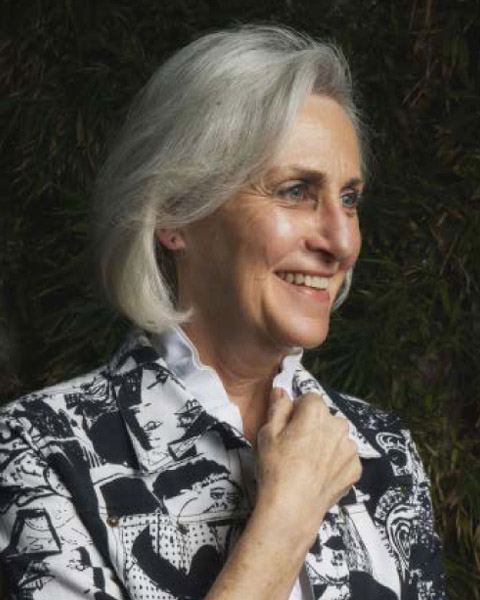
When Corey is not working with LEA facilitators to transition in-person content to virtual content, she serves as an Associate Professor at Wright State University in Leadership Studies in Education and Organizations teaching graduate and undergraduate students in leadership and graduate students in the Student Affairs and Higher Education program. She has a nearly two-decade background in student affairs and engages in speaking, consulting, and non-profit work. Her research centers on three passion areas: Generation Z, Student Leadership Competencies, and Leadership Educator Professional Identity Development. She enjoys researching, writing, presenting, and teaching on all of those topics…especially exploring the intersectionality between them. In her free time, Corey is an avid hiker (clocking more than 1000 miles in 2020), a parent of a child in Zoom school, a foster kitten litter momma, and karaoke singer (mostly at home these days)!

Both Linnette and Corey look forward to meeting and getting to know the LEA 2021 participants!

by Cynthia Cherrey, President & CEO, International Leadership Association

14 April 2021

Share this article:

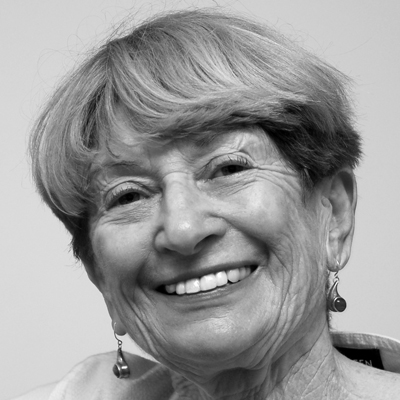
In March we lost one of the founders of the International Leadership Association. Larraine Matusak, leadership thought leader and visionary, passed away on 26 March with ILA member Roger Sublett and his wife Cindy by her side.

Larraine has left a legacy far beyond all of us that will echo through generations and decades to come. The ILA was one of her legacies. Larraine saw what was needed to establish the field of leadership — the funding to jumpstart programs, initiatives, and organizations — so she persisted in getting the W.K. Kellogg Foundation to fund leadership programs. A five-year grant from the W.K. Kellogg Foundation brought together, for the first time, leadership scholars and scholarly practitioners from different disciplines to meet each other and periodically convene at the University of Maryland where they shared ideas and wrote together. A follow-up “Meeting of the Minds” gathering — a prequel to ILA’s global conferences — was held at the University of Southern California between those who study leadership and those who practice leadership. From these gatherings and shared inquiry, the ILA was created in 1999 to keep the leadership conversation going and growing. Larraine, along with fellow ILA Founders Georgia Sorenson and James MacGregor Burns made this happen.

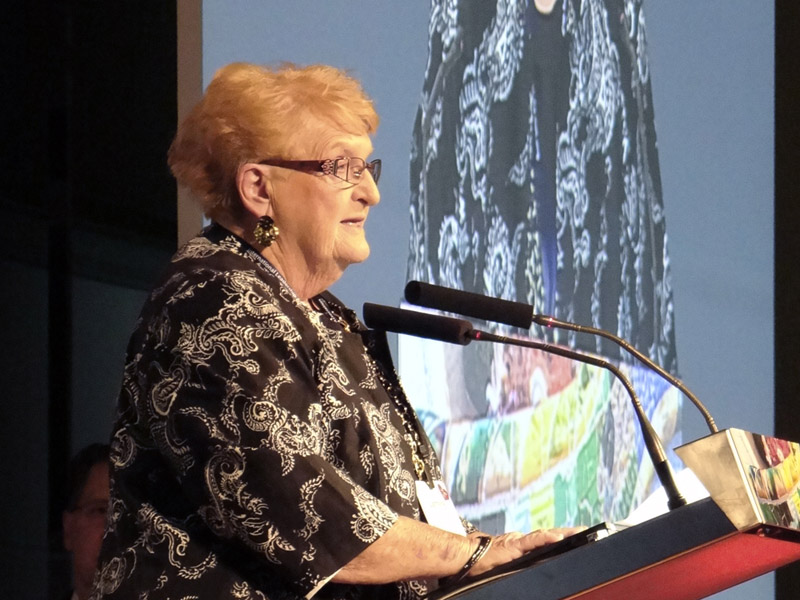
Larraine has a long list of accomplishments and was honored as an ILA Lifetime Achievement Award recipient in 2015. Her belief in others will have a lasting impact. “Wherever Dr. Matusak has served as a leader in higher education or philanthropy she has transformed organizations and people,” Roger Sublett, ILA member and prior board member, emphasized when commenting on Larraine’s commitment to leader and leadership development. Her accomplishments are many and we are all beneficiaries of her role as an influencer in the field of leadership. Another ILA member, Juana Bordas, wrote this moving tribute to Larraine’s lasting legacy and impact on her life.

“Way back before the equity and inclusion movement, Larraine’s magnanimous soul understood that real leaders have an open and caring spirit. Decades ago, she saw that a new leadership paradigm was emerging where the table would be wider and more colorful. She didn’t just believe this — she looked for it, and then she pushed the door wide open to make it happen.

Larraine was the architect of the myriad leadership programs at the W.K. Kellogg Foundation, which under her guidance was the premiere source of leadership innovation and funding in this arena.

She assured me way back then that preparing Latinas for leadership was sorely needed in our nation. Larraine is not just the godmother of Latina Leadership there are countless of organizations — including the International Leadership Association — that exist today because of her advocacy, support, and brokering of resources and funding. She seeded the leadership field.

As a brilliant thought leader, Larraine wanted to uplift leadership theory and practice and created The Kellogg Leadership Scholars. It was then that her piercing question: Leadership for What? became a mantra. What is the purpose of leadership? What is the end game?

And why, you might ask, is her question so pivotal? Well, because there is no genre for leadership in libraries and universities, it is listed under business where most of the writing, training, and resources can be found.

For Larraine, leadership was to cultivate a society that promotes the common good and where ordinary citizens become leaders. Her book Finding your Voice became a handbook for this kind of leadership. She saw in me what I could not see.

And so today as we celebrate the life of one of the great ones, we ponder her question, “Leadership for What?” And we say to her, leadership is about a life spent to uplift humanity, to love and nurture people, to leave a legacy to follow.

In many old cultures when great leaders enter the spirit world, it is said their essence stays with the people whose lives they touched. They depart to help their people from a higher ground. And so, it is with our beloved sister, guide, and North star. Leadership for What? Leadership is to a life like Larraine Matusak.” — Juana Bordas, ILA Lifetime Achievement recipient, 2019.

To celebrate her many accomplishments there will be a session at the ILA 2021 global conference.

A memorial service is planned for 3 p.m. EDT on Saturday 1 May and will be livestreamed. It may be viewed at https://vimeo.com/530470567.

In lieu of flowers contributions can be made to one or more of the following.

  • The ILA Founders Fund, online at https://ila.memberclicks.net/donate#/ International Leadership Association, 8601 Georgia Ave., Suite 1010, Silver Spring, MD 20910;
  • The Matusak Courageous Leadership Award with the Alliance of Leadership Fellows, 5334 Bordley Drive, Houston, TX 77056;
  • The Humane Society of South Central Michigan, 2400 Watkins Road, Battle Creek, MI 49015; and
  • Hospice Care of Southwest Michigan, 7100 Stadium Drive, Kalamazoo, MI 49009.
Cynthia Cherrey

Cynthia Cherrey, President & CEO, International Leadership Association

by Rian Satterwhite

18 March 2021

Share this article:

I am so excited to share that this August, the ILA will offer the first virtual Leadership Education Academy (LEA). I hope that you will consider joining us!

In 2020 we made the decision to cancel the planned academy. The decision to not hold an in-person academy was easy given the pandemic. The decision to not hold a virtual academy in its place was less clear. LEA took years to design and assemble. We felt that we owed it to ourselves, and to you, to take our time redesigning it as a virtual event. Since then, the facilitator team has been hard at work adapting the LEA experience to an exciting new virtual format.

We thought hard about how to utilize the online format to provide you the tools, experience, and depth associated with the LEA experience. As I think we’ve all found over the past year, this time of virtual everything affords us the opportunity to think differently. The LEA team has landed on a two-week format that will blend asynchronous content with six half-day synchronous sessions (Monday, Wednesday, Friday each week). This will allow us to integrate more practice and application in the experience than normally possible with only three-and-a-half days together face-to-face, while keeping the contact time about the same.

I hope you will consider joining us August 2nd – 13th, 2021.

Over the coming months, facilitators for this year’s academy will be writing to introduce themselves and share a bit about their experience and the new virtual format. Some facilitators are new, and some are experienced LEAers. All bring a set of rich experiences to the table. I am privileged to be serving as co-chair in such amazing company.

First, a little about me. I serve as Director of the Office of Service Learning and Leadership at the University of Nevada, Las Vegas (UNLV). I also teach graduate leadership courses for Claremont Lincoln University. Over the course of my career in higher education, I have accumulated experience in undergraduate and graduate co-curricular and curricular offerings and online and face-to-face formats.

At UNLV, I have the privilege of supporting a dynamic group of professional staff, graduate students, and student employees all engaged in delivering what might be considered the four legs of our chair: (1) leadership development, (2) service & democratic engagement, (3) scholarship programs, and (4) academic service-learning across the institution. Our mission is to create curricular and co-curricular experiences for participants to discover self, learn in community, and influence systems while pursuing social justice.

Rewinding to 2003, I first attended an ILA conference as an undergraduate student under the caring and generous wing of a mentor, Nancy Huber. Even then, I knew I had found a home. Since that time, I have served as chair of the Leadership Education member community, co-founded and currently co-chair the Sustainability Leadership member community, and helped launch LEA.

Integrating systems and ecological literacy in leadership praxis is perhaps the best way to describe my scholarship. This work includes a chapter in the ILA Building Leadership Bridges volume Leadership 2050 (Emerald 2015) and co-editing the 2018 book, Innovation in Environmental Leadership: Critical Perspectives, which treats the natural environment seriously as a foundational context for leadership theory and practice. Most recently, I served as lead author for priority five of the National Leadership Education Research Agenda 2020-2025.

I’m a father of two, an avid hiker, and serve on the boards of Compassionate Las Vegas and the Alliance for Nevada Nonprofits. If you need tips about what Las Vegas offers beyond the casinos, I can help you out! It is a fascinating place.

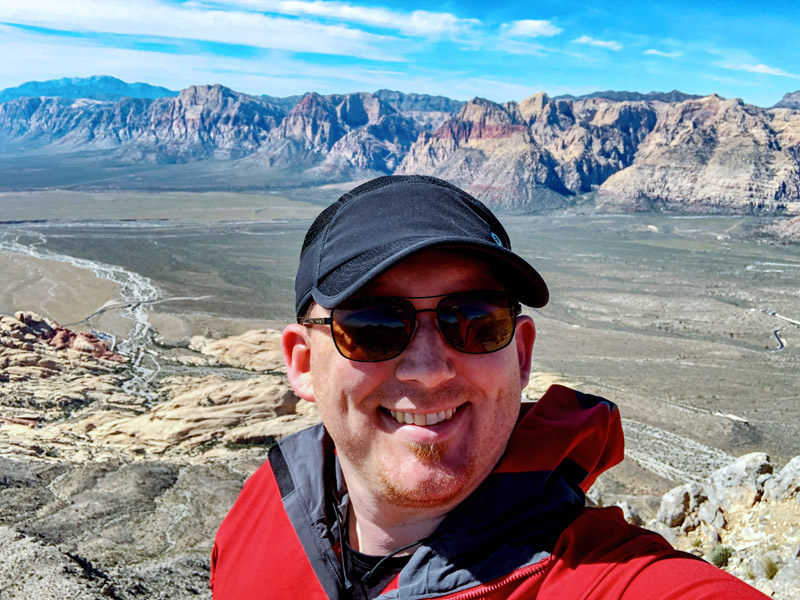
Rian Satterwhite Hiking

So that’s a little about me. At LEA 2021, you can expect to find me talking about systems literacy, criticality, and sustainability leadership as fundamental considerations for any leadership education program. LEA does a great job of covering the leadership theories most commonly taught and utilized, but we also create space for and actively encourage critical interrogation of ‘the story most often told.’ How can we center social and environmental justice in our work? How can we include more marginalized identities and voices in our leadership education and development? Why are these voices marginalized in the first place, and what are the consequences of this marginalization for our learners? How can we use what is so immensely useful from the theories most commonly used but do so in a way that acknowledges their limitations? How do we create educational spaces where learners are empowered to critically engage with and develop, rather than simply consume, leadership praxis? These lenses are what I commit to bringing to LEA.

I look forward to learning with and from all who are able to attend.

Sincerely,

Rian Satterwhite

Director, Office of Service Learning and Leadership
University of Nevada, Las Vegas
USA

Teaching Faculty
Claremont Lincoln University

Co-convener of the ILA Sustainability Leadership Member Community

2021 Leadership Education Academy Co-chair

Rian Satterwhite

Rian Satterwhite, M.A., M.Ed., serves as Director of the Office of Service Learning and Leadership at the University of Nevada, Las Vegas where they offer academic and cocurricular programs that help students develop critical leadership practices grounded in community, systems thinking, and the pursuit of social justice. He has served as Chair of Leadership Education and Co-convener of the Sustainability Leadership Member Community within the International Leadership Association, and co-chair of the 2018 & 2019 National Leadership Symposiums. Rian also teaches for Claremont Lincoln University in the M.A. Organizational Leadership program.

by Journey Victoria Clark

18 March 2021

Share this article:

In November of 2020, the ILA hosted its first ever global virtual conference. Seizing the opportunity to attend a world class leadership conference without the cost of travel, the Mandela Washington Fellowship for Young African Leaders, sponsored 25 Alumni to attend the event as a professional development experience.

The Mandela Washington Fellowship for Young African Leaders is the flagship program of the U.S. Department of State’s Young African Leaders Initiative (YALI) and is administered by IREX, an ILA organizational member and international global development and education nonprofit. Fellows are leaders ranging in age from 25-35 who have a track record of “promoting innovation and positive impact in their communities and countries.”

The Fellowship Alumni who attended recently reflected on their experiences of participating in a global virtual leadership conference, sharing notable takeaways, networking experiences, and the ways in which they planned to implement new ideas gleaned from the conference within their communities. All 25 Fellowship Alumni who attended expressed appreciation toward the Mandela Washington Fellowship program for providing this amazing professional development opportunity as well as a strong desire to participate in future ILA events, having found the 2020 event to be of immeasurable benefit.

Meet four of these young African leaders below while learning more about their experiences at ILA’s 2020 global conference.

Ugochi Obidiegwu

Ugochi Obidiegwu

Winfred Mwende Mutinda

Winfred Mwende Mutinda

Janice Da Graça

Janice Da Graça

Richard Komlan Folly

Richard Komlan Folly

Ugochi Obidiegwu, a 2018 Mandela Washington Fellow from Nigeria who runs a program helping drug addicts in recovery, attended the annual conference hoping to gain “practical insights on leadership” as well as to have an “opportunity to meet new people.” She was pleased to find “practical sessions that tackled real leadership issues in the world,” and she “gained new insights that [she] would be replicating” in her future work. In particular, Obidiegwu thought that the “plenary sessions were amazing,” and she expressed satisfaction that the event exceeded her expectations. “I felt really charged and encouraged in the work I do. Listening to those leaders also showed me a picture of where I’m going.” Obidiegwu called the overall experience “brilliant” and “enlightening,” and she can “already see how [her] team members and programmes will benefit from the knowledge gained.”

Winfred Mwende Mutinda, an electrical engineer at the Kenya Electricity Transmission Company and a 2019 Mandela Washington Fellow, noted that “attending the conference was a great milestone in [her] leadership journey.” Her initial expectations for the conference were “to learn more tips on efficient and effective leadership from leaders across various sectors” as well as “to get inspired and motivated by the experiences of other leaders.” Like Obidiegwu, she pointed to one of the plenary sessions as particularly inspiring when speakers “reiterated the fact that the Covid-19 pandemic has been a reminder of [how] the world needs to return to the spirit of global solidarity.” Mutinda praised plenary speaker Tedros Adhanom Ghebreyesus, Director General of the World Health Organization (WHO), who maintained: “We have to commit to address the root causes of our societal problems. The answer to global problems is still the Sustainable Development Goals (SDGs).” Mutinda felt challenged by these words and resolved, as a leader, “to continue contributing positively towards the achievement of the SDGs.”

Mutinda, like all of the alumni who attended, expressed her gratitude to the Mandela Washington Fellowship program for securing her a spot as an attendee, affirming, “The sponsorship and opportunity to attend the 22nd ILA Global Annual Conference in 2020 gave me a great platform to enhance my leadership skills, to be inspired, and to learn from the experiences of other leaders. The conference was instrumental in unpacking some of the best practices in leadership, especially during moments of crisis.”

Janice Da Graça, a 2019 Mandela Washington Fellow from Cabo Verde, also had an exceptional experience. As the founder and CEO of Verbum Tactus, an organization that focuses on development through art, literature, and mindfulness, she found ILA’s virtual conference to be “especially insightful…because it aligned with a more mindful approach of leadership.” Da Graça was impressed with ILA’s implementation of the Mindfulness and Connection sessions placed periodically throughout the conference and noted that, in her experience, it is not the norm for an event like this to integrate mindfulness practices. At other events she’s attended, she has longed for moments “for people to just appreciate, think, and integrate what they received and not only be stuffed with information.” Da Graça was grateful for ILA’s approach, saying that we met that need.

She further observed that the Mindfulness and Connection sessions may have played a role in how attendees absorbed information and connected with others participating in the conference. As Da Graça explained, they allowed her to feel “aligned with the vision of leadership present in the majority of the presentations and not so alone in issues [she had] been questioning.” In other sessions, Da Graça was excited to find “a scientific framework for issues and the challenges of leadership in our era.” Da Graça acknowledged that her exposure to new ideas and positive practices throughout the event will benefit her work and give her more confidence on the path she is following.

Richard Komlan Folly, the founder and CEO of the African Geospatial-Intelligence Agency and a 2017 Mandela Washington Fellow from Togo, began ILA’s 2020 virtual conference expecting “networking…experience sharing…[and] leadership development.” He found that and more. The topics that resonated the most with him pertained to “self-openness,” “finding peace,” and “handling setback with optimism.” His favorite sessions included, “When Leaders Face Personal Crisis,” and a workshop on, “Storytelling as a Strategy for Leader Identity Development,” in which, he noted, “It was fascinating…to be able to share my own experience and story.” Folly believes his conference takeaways will be beneficial to his “community, organization, and the Fellowship Network through community engagement, experience sharing and storytelling, plus speaking opportunities.”

As a professional development experience, ILA ‘s first virtual global conference offered these Fellowship Alumni an array of unique opportunities for introspection, interaction, and innovation.

In a particularly touching reflection, De Graça expressed that her time at the event reassured her that she is not alone in her experiences and that, “It is okay to struggle with the anxious state of the world, the competition and violence that is related to high positions in leadership. It’s okay to want to do things in a different way. That does not mean that you are weak or do not fit. That means that you can be part of a different style of leadership, less anxious, bureaucratic, and hierarchical and more connected to the wellbeing of people.” She directly credited the ILA for creating an environment that fostered the potential for such possibilities, saying that she “would love to be part of ILA 2021” and that “anyone with a leadership role would benefit from being part of this experience.”

We hope to see De Graça and more Alumni of the Mandela Washington Fellowship for Young African Leaders at this year’s global conference, which will be taking place 20-25 October onsite in Geneva, Switzerland and live and online virtually. As De Graça insightfully acknowledges, leaders engage in an ongoing process to “learn, unlearn, and relearn in order to bring our best to the missions we commit to.” The ILA looks forward to continuing to support these and other leaders through the professional development opportunities available via conference attendance and participation.

Journey Victoria Clark

Journey Victoria Clark 

An editor and entrepreneur, Journey recently launched her art & marketing company, Phenom Epochal (@phenom.epochal), based in Fredericksburg, VA; she hopes to help artists & small business owners make a greater impact on the world, while continuing to write & edit for non-profit organizations.

by Cynthia Cherrey, President & CEO, International Leadership Association

14 January 2021

Share this article:

The tragic event of 6 January 2021 that unfolded at the U.S. Capitol reverberated around the world. As a global association focused on the study, teaching, and practice of leadership throughout the world, it is important for us to read and hear what leaders everywhere are thinking and saying about it. Below is a snapshot of what political leaders around the globe are writing and the corresponding links to their respective statements.

Be sure to also read the two blogs written by leadership guru Keith Grint and democracy expert Matt Qvortrup, ILA members in the U.K., who are also featured in this Interface newsletter. More to come, but a start as we try to make meaning out of bad actors — leaders and followers — on the dark side of leadership and followership.

Jacinda Ardern, Prime Minister of New Zealand

“Democracy – the right of people to exercise a vote, have their voice heard and then have that decision upheld peacefully should never be undone by a mob. Our thoughts are with everyone who is as devastated as we are by the events of today. I have no doubt democracy will prevail.” (Twitter – @JacindaArdern)

“Like so many others, I’ve been watching what’s happening in the United States. I share the sentiment of friends in the US – what is happening is wrong.” (Twitter – @JacindaArdern) More from her statement.

Zuzana Čaputová, President of the Slovak Republic

The scenes from the US Capitol show how dangerous the rhetoric of hatred is. Contempt for democratic institutions erodes citizens’ rights and can undermine political order. I trust the democratic and peaceful process will be restored soon. (Twitter – @ZuzanaCaputova)

Sher Bahadur Deuba, Former Prime Minister of Nepal

“I am shocked by the outrageous scenes at US Congress! The people have spoken – the transition to the next government must be peaceful! We wish the all US citizens peaceful days ahead!” (Twitter – @DeubaSherbdr)

Tsai Ing-wen, President of the Republic of China (Taiwan)

“In difficult times like these, it’s more important than ever to come together as one. We stand resolutely with all our partners seeking to form a more perfect union. #BetterTogether.” (Twitter – @iingwen)

“We believe that the strength and resilience of America’s democracy will continue to be a beacon of hope around the world. #Better Together” (Twitter – @iingwen)

Boris Johnson, British Prime Minister

“I unreservedly condemn encouraging people to behave in the disgraceful way that they did in the Capitol. And all I can say is I’m very pleased that the president-elect has now been duly confirmed in office and that democracy has prevailed.” (Twitter – @BorisJohnson)

Stefan Löfven, Prime Minister of Sweden

“Deeply worrying developments in Washington, D.C. This is an assault on democracy. President Trump and several members of Congress bear substantial responsibility for developments. The democratic election process must be respected.” (Twitter – @SwedishPM)

“Democracy in the USA has proven its strength, as Congress has now fulfilled its constitutional role and confirmed the presidential election results. Looking forward to working with President-elect Biden.” .” (Twitter – @SwedishPM)

Micheál Martin, Prime Minister of Ireland

“The Irish people have a deep connection with the United States of America, built up over many generations. I know that many, like me, will be watching the scenes unfolding in Washington DC with great concern and dismay.” (Twitter – @MichealMartinTD)

Angela Merkel, Chancellor of Germany

“A fundamental rule of democracy is that, after elections, there are winners and losers. Both have to play their role with decency and responsibility so that democracy itself remains the winner….President Trump regrettably has not conceded his defeat since November, and didn’t

yesterday either, and of course that has prepared the atmosphere in which such events, such violent events, are possible.” (Statement)

Charles Michel, President of the European Council

“The US Congress is a temple of democracy. To witness tonight’s scenes in #WashingtonDC is a shock. We trust the US to ensure a peaceful transfer of power to @JoeBiden” (Twitter – @eucopresident)

Narendra Modi, Prime Minister of India

“Distressed to see news about rioting and violence in Washington DC. Orderly and peaceful transfer of power must continue. The democratic process cannot be allowed to be subverted through unlawful protests.” (Twitter – @narendramodi)

Emmerson Dambudzo Mnangagwa, President of the Republic of Zimbabwe

“Last year, President Trump extended painful economic sanctions placed on Zimbabwe, citing concerns about Zimbabwe’s democracy. Yesterday’s events showed that the U.S. has no moral right to punish another nation under the guise of upholding democracy. These sanctions must end.” (Twitter – @edmnangagwa)

Scott Morrison, Prime Minister of Australia

“Very distressing scenes at the US Congress. We condemn these acts of violence and look forward to a peaceful transfer of Government to the newly elected administration in the great American democratic tradition.” (Twitter – @ScottMorrisonMP)

Barack Obama, former President of the USA

“Right now, Republic leaders have a choice made clear in the desecrated chambers of democracy. They can continue down this road and keep stoking the raging fires. Or they can choose reality and take the first steps toward extinguishing the flames. They can choose America.” (Twitter – @BarackObama) Complete Statement

Michelle Obama, former First Lady of the USA

“Like all of you, I watched as a gang – organized, violent, and mad they’d lost an election- laid siege to the United States Capitol. They set up gallows. They proudly waved the traitorous flag of the Confederacy through the halls. They desecrated the center of American government.” (Twitter – @MichelleObama) Complete Statement

Mark Rutte, Prime Minster of the Netherlands

“Horrible images from Washington D.C. Dear @realDonaldTrump, recognise @JoeBiden as the next president today.” (Twitter -@MinPres)

Pedro Sánchez, Prime Minister of Spain

“I am following with concern the news that are coming from Capitol Hill in Washington. I trust in the strength of America’s democracy.’ (Twitter – @sanchezcastejon)

Nicola Sturgeon, First Minister of Scotland

“The scenes from the Capitol are utterly horrifying. Solidarity with those in Flag of United States on the side of democracy and the peaceful and constitutional transfer of power. Shame on those who have incited this attack on democracy.” (Twitter – @NicolaSturgeon)

Canadian Prime Minister Justin Trudeau

“Canadians are deeply disturbed and saddened by the attack on democracy in the United States, our closest ally and neighbour. Violence will never succeed in overruling the will of the people. Democracy in the US must be upheld – and it will be.” (Twitter – @JustinTrudeau) More from his statement.

A Wikipedia page has also been set up referencing reactions from world leaders. https://en.wikipedia.org/wiki/International_reactions_to_the_2021_storming_of_the_United_States_Capitol

Cynthia Cherrey

Cynthia Cherrey, President & CEO, International Leadership Association

Rainbow paint dripping down

by Cynthia Cherrey, President & CEO, International Leadership Association

10 December 2020

Share this article:

2020 was unexpected and filled with unimaginable disruptions and loss for many people. But in the midst of those clouds, the ILA held tight to its mission and sought to create rainbows, in the words of poet Maya Angelou. We created new resources, hosted our largest every global conference, and launched new projects aimed at advancing leadership knowledge and practice for a better world.

Before I share with you the work of our new projects, I would like to take a moment to celebrate, give gratitude, and reflect on our learnings from Leading at the Edge, ILA’s first live and online, virtual global conference.

Conference Chair Kathryn Goldman Schuyler and Program Chair Tom Sechrest along with the entire Conference Planning Team and the Member Community leadership deserve our accolades for taking the plunge and immersing us in the virtual conference world! ILA’s members, presenters, participants, partners, and sponsors deserve our thanks for willingly following us down the virtual path. Thank you for your confidence in the ILA, your stellar presentations at the global conference, and your contributions to the leadership profession.

The blueprint for ILA’s 2021 global conference is now underway. We continue to learn how the technology and our evolving mindset towards virtual events will inform the design of our 2021 global conference in Geneva. While the conference is likely to be a hybrid format, we do not know what the exact design will look like until the Conference Planning Team and staff convene to co-create another signature ILA global conference. What we do know is the mission is not in the format, it is in the formula — the different ways we create trusted spaces and bring together all those who teach, practice, and study leadership. We know that trusted spaces can take many different shapes and forms. Stay tuned!

The ILA has worked hard throughout this unprecedented context to support connections in a time of disconnections. We have stepped up with dialogue and resources to help populate the virtual networks with ideas, inspiration, and the sharing of experiences. What we all hold common is a very clear understanding of the importance of leadership and a recognition of how much better leadership should and could be for our times. We have worked purposefully to combine a sense of continuity with the reality of new times and new emphases within our ways of operating. We have worked to embrace the reality of 2020 and live in the moment with an eye towards the future.

Toward that end, the ILA board, member community volunteers, partners, and staff continue to work toward advancing the ILA mission. Three projects underway are The Renew, Refresh and Regenerate Project (the R3 Project), the Global Thought Leaders Project (GTL), and the Guiding Standards Task Force. To see who is involved in each project, please visit our board and task force webpage. 

The ILA has worked hard throughout this unprecedented context to support connections in a time of disconnections.

The R3 Project, chaired by LabVantage CEO and ILA Board member John Heiser, is an internal, ILA-focused directive tasked with envisioning a flourishing future for the ILA as the trusted space for those who study and practice leadership to address the changing complexities of our local and global communities. Using appreciative inquiry, a team comprised of board, staff, and ILA members participated in a process of discovery, dreaming, and design on how to refresh, renew, and regenerate the ILA to further its mission and growth. This work will be used as a foundation to our ongoing development goals and strategic planning

The Global Thought Leaders Project, chaired by The Right Honourable Kim Campbell, is an externally focused undertaking charged with developing a declarative white paper for better worldwide leadership. We have invited and connected exceptionally talented global leaders and a selection of ILA Lifetime Achievement award scholars to contribute. The process is designed to stimulate discussion around profound and provocative global leadership questions that move the leadership field forward. Some examples of the questions being discussed include: What are the most important changes confronting leaders and leadership in these times? What are the important contemporary issues facing global leadership such as finance, health, youth, inequality? What does all of this mean for leadership? What is possible, what is achievable? What does better global leadership look like?

Some of the GTL members presented at the 2020 global conference and have posted a question for your input on HubILA (ILA’s members only listserv on ILA Intersections). This leads me to the third project underway, which is also seeking your feedback.

The Guiding Standards Task Force, co-chaired by Gama Perruci and Sadhana Hall, is leading the charge to develop rigorous standards for use in the development and evaluation of academic leadership programs. As the leadership field matures, and we continue to see growth in undergraduate and graduate leadership programs, this work becomes more relevant and critical in ensuring that rigor is employed across programs. There was good work already done in this area from ILA members who created the original Guiding Questions document, used as the foundational work for this project. The global task force members expanded on this initial report to include global leadership principles and standards in the five areas of context, content, conceptual framework, teaching and learning, and outcomes and assessment that can be used by universities and colleges around the world.

Some of the task force members also presented at the global conference and the ILA recently sent out a survey to members asking for their input. Your input means so much to the members of the task force who are volunteering their time and talents to establish guiding standards that can be used for academic leadership programs around the world. Thank you to our ILA Members who completed the survey. 

As we turn the corner on 2020, we look forward to working collectively and collaboratively with all of our members to reimagine leadership together and create a better future for us all.

Cynthia Cherrey

Cynthia Cherrey is President and CEO of the International Leadership Association (ILA), a global community committed to increasing quality research, teaching, and practices of leadership contributing to the common good around the world. Dr. Cherrey speaks to non-profit and for-profit organizations around the world and writes in the areas of leadership, organizational development, and higher education. A sought-after advisor, Cynthia is a Fellow at the World Business Academy, a Royal Society of the Arts Fellow, and a recipient of a J.W. Fulbright Scholarship.

by Dan Jenkins and Lisa Endersby

  • December 10, 2020

Share:

It was perhaps prophetic, but certainly fitting, that the theme for our 2020 PAUSE for Pedagogy series was “Leadership and ….” With the goal of exploring leadership as a truly interdisciplinary and diverse field, we sought out authors who had incorporated ideas that offer novel insights into how we define leadership and who might see themselves as a leader. The term “creative partnerships” in our 2020 Author Guidelines implied the importance of integration over addition and attracted narratives that critically examined collaboration and inclusion as not only important features of leadership but also core competencies and values for leadership educators.

In this light and, upon reflection, in light of participating in the 2020 virtual ILA Global Conference, themes related to accessing leadership development and education as well as opportunities to explore multiple social identities abounded. I (Dan) attended the panel presentations “ILA Guiding Standards for Academic Programs: Promoting Continuous Quality Improvement” and “The National Leadership Education Research Agenda 2020-2024: Advancing Collaboration & Inclusion” where panelists illustrated ways in which members of our association intentionally model collaboration across global boundaries. Specifically, both of these presentations highlighted critical association activities aimed at moving the field forward through efforts that reimagine and bring current leadership education research and programming. What stood out was the evidence of focused energy around giving voice, practicing inclusivity, and facilitating diversity — in all of its forms — to contributors who were not present in previous iterations of each initiative.

Other concurrent sessions also promoted collaborative and inclusive leadership by providing space for debate on the dynamic between leadership and followership and what leadership means in specific cultures across the globe. Utilizing the lens of social justice, sessions highlighted identities that perhaps were not previously represented or had been marginalized such as the workshop “Navigating White Fragility in Leadership Education.” At the same time, somewhere else in the virtual OnAir platform conversations were being had about crises in a variety of contexts as well as opportunities to evaluate world leaders’ responses thereto. Serendipitously, the timing of the conference with the U.S. 2020 presidential election allowed for an even deeper critical analysis of some of the above-mentioned topics. Equally, the projections of Joe Biden’s win by major global news outlets during the November 7th conference sessions offered a chance to process the announcement, discussing leadership and democracy, with peers across the globe. Here in Canada I (Lisa) followed the elections with interest, while reflecting on my own country’s terrible history and ongoing conflicts with our Indigenous population. The initial work of the Truth and Reconciliation Commission of Canada (TRC) and its Calls to Action demand leaders and leadership, though in a way, and at a time, where people are being centered far more than policy or politics. As divisive as many of these events have been, they highlight more than ever the necessity of leadership and partnership, leadership and compassion, and leadership and, and with, everyone.

What stood out was the evidence of focused energy around giving voice, practicing inclusivity, and facilitating diversity — in all of its forms — to contributors who were not present in previous iterations of each initiative.

Shifting to our PAUSE for Pedagogy series, several articles described how leadership and the “real world” might be integrated into classroom activities. Educators shared ideas related to, for example, different ways of working with other contexts and diverse populations. Case studies have long been a valuable tool for leadership education, yet our authors offered a more careful, critical examination of the what and how of case studies. Our recorded interviews asked us to consider who was being represented in these case studies — how real is the “real world” that we explore in these exercises? Conversely, there was a renewed emphasis on skill development and practice, whether through case study assignments or large scale strategy games. What was common here was the expressed value of learning to do leadership alongside learning to be a leader. For many students, and perhaps for many of us, leadership can stay stuck in the realm of theory or philosophy, which we know can actively exclude (and has historically excluded) others. Our authors this year helped us reimagine leadership as leadership and, for, and with a world that actively includes diverse perspectives and offers space for engaged contributions to and participation in the field. This theme of reimagining will continue with ILA’s 2021 global conference, Reimagining Leadership Together.

Although the pandemic has limited, if not eradicated, our ability to physically move across borders, the PAUSE for Pedagogy series has allowed us to consider not just what leadership is, but what leadership education might truly be for. Leadership and diversity, in partnership, can illustrate what divides us and what unites us. More importantly, we saw discussions of leadership for and as action; here again our articles and videos offered reflections on what it looks like to do leadership and just how far a single word, idea, or action can reach. Leadership and action can no longer be separated, and are now, as demonstrated in our 2020 series, catalysts for meaningful change.

A special thank you to all of our 2020 PAUSE for Pedagogy authors. Your willingness to write, speak, engage, and contribute to these important, evolving conversations has and will continue to help inspire leadership educators for years to come. You can view the complete PAUSE for Pedagogy archive in ILA Intersections. If you are interested in writing a PAUSE for Pedagogy article, or want to learn more about the series, you can email Lisa and Dan at PAUSEforPedagogy@ila-net.org. Our call for article proposals is available here: https://docs.google.com/document/d/1WjFGivy5kKnJlKMT5CjMN8pKECAxXU5IHtn4XwdmnPE/edit

Daniel-Jenkins-headshot

Dan Jenkins is Chair and Associate Professor of Leadership & Organizational Studies at the University of Southern Maine. He received his doctorate in Curriculum & Instruction (Higher Education Administration) from the University of South Florida. Dan has published more than 30 articles on leadership education and assessment and is an associate editor for the Journal of Leadership Studies. Dan is also a past Chair of the ILA Leadership Education MIG, Co-Chair of the ILA Leadership Education Academy, and enjoys numerous volunteer roles with the Association of Leadership Educators. Follow Dan @Dr_Leadership.

Lisa Endersby is a speaker, educator, and storyteller exploring the intersecting realms of technology, leadership, and assessment in higher education. Her current role as an Educational Developer at York University involves supporting faculty in exploring and implementing innovative best practices for teaching and learning. Her doctoral work examines the relationship between professional identity development and communities of practice. Lisa also volunteers her time as the EDC Institute Coordinator for the Educational Developers’ Caucus (EDC). Lisa can be reached at lmendersby@gmail.com.

Choir Practicing
Choir Practicing

by Jill Strachan with Introduction by Susan J. Erenrich

  • 10 December 2020

Share this article:

In this Grassroots Leadership and the Arts for Social Change Corner, Jill Strachan shares reflections on both the strengths and the challenges of the group-centered, consensus leadership model employed by The Lesbian and Gay Chorus of Washington, DC, where she was general manager, and the Capital Hill Arts Workshop, where she served as Executive Director. Corner editor Susan J. Erenrich pens the introduction.
ILA Members – Log In to Read

Requires Member Login. Not a member? Join today!

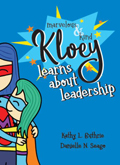
Featured image of Kloey boock jacket

by Kathy Guthrie

Author of Marvelous and Kind Kloey

  • 10 December 2020

Share this article:

In this article, Kathy Guthrie shares the inspiration for her kids’ series, Marvelous and Kind Kloey and how she moved from idea to published book. In the latest installment, Kloey and her friends learn about leadership. As Kathy shares, the book is not just for the children in your life, but also for you! The book has even been used in undergraduate and graduate level leadership classes.
ILA Members – Log In to Read

Requires Member Login. Not a member? Join today!

An Attendee's Perspective

by Mei-Yan Lu, Professor, Department of Educational Leadership, Connie L. Lurie College of Education, San Jose State University

5 November 2020

Share this article:

I attended my first ILA Women & Leadership conference, which happened to be virtual, in June 2020. At first, I did not know what to expect. Most virtual conferences I had previously attended consisted of a series of presentations delivering content with limited opportunities for discussion. Nevertheless, as a leadership scholar working on researching the topic of supporting university women student leadership self-efficacy, I was eager to find opportunities where I could actually meet the presenters and network with other attendees. Given the impact of COVID-19 on travel, I was excited to see a virtual conference being offered and immediately registered to attend.

I was happy to receive an invitation to attend a pre-conference webinar “Leading Differently: Trailblazing to Be the First of Many.” The webinar consisted of a conversation with Ambassador Suzan Johnson Cook, which was moderated by Carolyn Stefanco, President of The College of Saint Rose, and hosted by Joanne Barnes, Dean of the Graduate School and Professor of Leadership Studies at Indiana Wesleyan University. The live-streamed webinar was inspiring and uplifting. In addition, I thought the conference organizers made a smart decision in hosting a pre-conference as, brilliant content aside, it also allowed participants to become more familiar with the video conferencing system and learn the various ways to participate such as raising hands, using the chat room features and more. (You can check out this specific webinar via the ILA’s Facebook page. I also wanted to mention that I’m thrilled that many of the conference sessions were recorded and made available online for registered conference attendees for 30 days after the conference.)

However, I was still concerned that I would not be able to meet new people at the virtual conference. Expanding my professional network has always been a primary goal and motivator for me to attend conferences. Like most conference attendees, I meet new contacts by attending sessions and talking to people who happen to sit next to me at conference sessions, conference receptions, or in hotel lobbies. When I attended the opening session, I asked Joanne Barnes how I could meet people at the virtual conference. She recommended that I host my own Zoom meet-up during session breaks or in the evening after the conference had concluded each day. She encouraged me to post the meetup announcement on the conference’s electronic Padlet bulletin board.

Many thoughts ran through my mind, including feelings of awkwardness toward meeting people in virtual settings. However, I said to myself, why don’t I also take this opportunity to step out of my comfort zone? I was, after all, working on a research project on supporting university women leadership self-efficacy, so I said to myself, why not host a Zoom meetup connect with other participants? I might even get the chance to discuss my research! From there, my inspiration continued to blossom: Why not host a meetup for each day of the conference, with the hopes of meeting new people and discussing potential research topics? With this in mind, I gathered my nerves and posted my meeting invitation.

I believe this organically developed women & leadership Virtual Coffee network will do great things together.

At the first meet-up, I met several women leaders. One of the participants was Bonita Banducci who teaches at Santa Clara University – only 15 minutes away from San Jose State University, where I teach. I was happy to find that we hold many similar research interests. I deeply admire her expertise in gender communication. I invited Bonita to present at the next meet-up. We came up with the topic “Women’s Hidden Unnamed, Misinterpreted Competencies: Devil’s Advocate Meet Angel’s Advocate.” It was well received. We had great discussions. I asked the participants to volunteer a topic for the next meetup. Bonita was the one who came up with a new topic “The Future of Working Together: Eastern & Western Types of Mindsets,” which led to another fabulous discussion. On the final day of the conference, Amanda Wickramasinghe suggested we continue our discussion group through weekly meetings. Thus, the birth of the Thursday virtual coffee from 2-3 PM Pacific time/ 5-6 PM Eastern time.

At the Thursday virtual coffee, we continued the tradition of addressing a new topic at each meeting. Catharyn Baird attended the last conference meet up and since I had attended her session on “Change a Mind-Change a Life: Transforming Core Beliefs to Shape Values and Enhance Effectiveness,” I asked Catharyn if she would be willing to lead our first virtual coffee discussion. Not only did she say yes, she also provided access to the ELI (Ethical Lens Inventory) to enable participants to take the inventory and save the results for discussion.

Through ILA’s Women and Leadership conference, I have met many women leaders and experts. For example, Chrys Egan, who presented with her colleagues on “Peer to Peer Women’s Circles: Capacious, Inclusive, Professional Development by Women for Women.” Chrys is one of the leaders of ILA’s Women and Leadership member community, so I consulted with her on how to meet the needs of the Virtual Coffee participants. Hence, the birth of another brilliant idea: a Google Drive resource shared with participants where we can suggest topics, volunteer to be the speaker or discussion leader, vote anonymously for future topics, and more.

Participants are free to invite their friends and colleagues to attend. As of this writing, we’ve met five times post-conference with about12-18 participants each time.

We’ve made adjustments to serve participants better and to maximize our time together. An electronic Padlet bulletin board was created to enable participants to post a brief bio/photo with LinkedIn contacts. Therefore, we can save time from having to introduce ourselves to each other at the beginning of every meeting. Each time we meet, we have a topic, and from time to time, we have a handout and assessment to take. Each session is recorded as recommended by the participants. At the end of each meetup, I send meeting notes to participants with the recording and a reminder for the next discussion topic. Not everyone can participate each week. Nevertheless, we have grown to 40 people after five meetings. Typical attendance is 13-18 people each week via Zoom.

You may ask me why I continue to volunteer? One reason is I like to meet other professionals and connect them with my undergraduate students, particularly when they’re working on their informational interview assignments in my personal, academic, and career exploration class. Many of my undergraduate students are first generation, immigrant, and/or international students. I was one of them. I know they would benefit from connecting with these colleagues. I’d like to serve as that bridge.

In summary, my experience attending the ILA Women and Leadership conference resulted in much more than I initially expected. Not only did I have the privilege to meet amazing women leaders, but I learned how to serve virtual coffee! In the upcoming virtual coffee meetings, we will discuss how we can build an electronic depository of all the resources we have, and maybe a new name for the virtual coffee. I plan to bring up the idea of building a second electronic Padlet bulletin board where participants can announce their upcoming speaking engagement, new publications, or looking for thinking partners for a research project or more. These are not new ideas. I learned these ideas from the ILA Women and Leadership conference.

One last thing I observed at the ILA Women & Leadership virtual conference was its cross generational representation in attendees. I met women leaders aged 18 to 72. This cross generational dialogue is essential for leadership development, mentoring, coaching, and more (Morris, 2017; Rudolph, Rauvola, & Zacher, 2018).

In 2010, my colleague Noni Mendoza Reis and I wrote a paper titled, “Why Are There So Few of Us? Counter-Stories From Women of Color in Faculty Governance Roles” (Reis & Lu, 2010). Little did we know we would find so many like-minded and amazing women leaders in the next decade!

Lastly, let me share one of my favorite quotes

“If you want to go fast, go alone. If you want to go far, go together.”

I believe this organically developed women & leadership Virtual Coffee network will do great things together. I am empowered through the association of being with other dynamic women in leadership from around the world and I look forward to attending the next Women and Leadership Conference!

We usually meet on the first and third Thursdays of the month with an invited speaker and discussions. If you would like to attend a meeting, please contact me at mei-yan.lu@sjsu.edu or https://www.linkedin.com/in/meiyanlu/

References:

Morris, L. V. (2017). Reverse Mentoring: Untapped Resource in the Academy? Innovative Higher Education, 42(4), 285-287.

Reis, N. M., & Lu, M. Y. (2010). Why Are There so Few of Us? Counter-Stories From Women of Color in Faculty Governance Roles. Educational Leadership, 20(1), 61-97.

Rudolph, C. W., Rauvola, R. S., & Zacher, H. (2018). Leadership and Generations at Work: A Critical Review. The Leadership Quarterly, 29(1), 44-57.

Mei-Yan Lu

Mei-Yan Lu is Professor of Educational Leadership at the Connie L. Lurie College of Education at San Jose State University (SJSU) in San Jose, California. She served as Associate Dean of the College of Education and many other leadership positions. She has been honored as Teacher Scholar, Faculty-Resident for Online Teaching & Learning, nominated for Outstanding Professors at SJSU. She was the past President of the International Division at Association of Educational Communication and Technology (AECT). She served on the Executive Board of California Professors of Educational Administration. She has been invited to give keynote speeches in state, national conferences and internationally including Thailand, Singapore, Taiwan, Hong Kong and China.

Dancer
Dancer

by Naima Prevots; Introduction by Susan J. Erenrich 

5 November 2020

Share this article:

In this Grassroots Leadership and the Arts for Social Change Corner, Dancer and Dance educator and historian, Naima Prevots reflects back on her work with the Henry Street Settlement House, the CAREL Arts and Humanities Curriculum Development Program for Young Children, Pearl Primus, and others through the lens of the arts for social change.

ILA Members - Log in to Read

Requires Member Login. Not a member? Join today!

Naima Prevots

Naima Prevots has worked in the arts and education worlds in many capacities: as dance critic, administrator, teacher, choreographer, performer, educator, writer, historian, panelist. In 1952 as a sophomore at Brandeis University, she was chosen as one of two students to perform with Merce Cunningham at the school’s first Creative Arts Festival and this prompted a return to New York, transfer to Brooklyn College, and study with Martha Graham, Jose Limon, Hanya Holm, Alwin Nikolais. Study with Marie Marchowsky, a former Graham dancer led to membership in her company and performances at Henry Street Settlement House Playhouse. A professor at American University for almost 40 years, she is the author of Dancing in the Sun; Hollywood Choreographers, 1915-1937; American Pageantry: A Movement for Art and Democracy; and Dance for Export: Cultural Diplomacy and the Cold War. Read complete bio below.

Susan Erenrich

Susan (Susie) J. Erenrich is a social movement history documentarian. She uses the arts for social change to tell stories about transformational leadership, resilience, and societal shifts as a result of mobilization efforts by ordinary citizens. Her career in nonprofit/arts management, civic engagement, community organizing and community service spans more than four decades. She has diversified teaching experience at universities, public schools and community-based programs for at-risk, low-income populations; has edited and produced historical audio recordings and anthologies; and has extensive performance, choreography and production experience. Susie holds a Ph.D. in Leadership and Change from Antioch University. She is the editor of The Cost Of Freedom: Voicing A Movement After Kent State 1970; Freedom Is a Constant Struggle: An Anthology of the Mississippi Civil Rights Movement and Grassroots Leadership & the Arts for Social Change (a volume in ILA’s BLB series). She is the producer/host of Wasn’t That A Time: Stories & Songs That Moved The Nation, a live community radio broadcast on WERA.FM. Listen on-demand or live every Friday from 1:00 – 2:00 PM Eastern time.

Older posts
Newer posts
← Previous Page1 … Page3 Page4 Page5 Page6 Next →

Contact Us

Members: membership@ilaglobalnetwork.org
Events: conferences@ilaglobalnetwork.org
General inquiries: ila@ilaglobalnetwork.org
Telephone: +1 (202) 470-4818
ILA is a nonprofit 501(C) 3 Privacy Policy
Facebook Twitter Youtube Linkedin Instagram Flickr Pinterest

Join ILA

For Individuals
For Organizations
For Students
Join ILA Mailing List
ILA - International Leadership Association ®